
Understanding the intensity of the trial environment
Parenting a young athlete during recruitment season requires a unique balance of logistics and emotional intelligence. In 2026, the pathway to professional academies at Category One or Category Two levels in England or MLS Next programs in the United States is more competitive than ever. When your child steps onto the pitch for an assessment, they are not just being tested on their technical ability with the ball. They are being watched for their reactions to mistakes, their communication with teammates they just met, and their overall tactical awareness under pressure. As a parent, your primary role is to provide a stable foundation that allows them to express their talent without the added weight of family expectations.
The trial environment is often clinical and fast paced. Whether it is an open trial day or a six week invite only period at a club like West Ham United or Ajax, the staff are looking for specific profiles to fill gaps in their rosters. Understanding that the trial is a professional audition helps you frame your support correctly. It is not a leisure activity or a typical Sunday league match. It is a high stakes evaluation where your child needs to be at their physical and mental peak. Your preparation behind the scenes ensures they arrive at the gates ready to perform rather than worrying about forgotten boots or being late for registration.
Key takeaways
Focus on consistency in diet and sleep routines during the week leading up to the trial. Maintain a neutral and supportive sideline presence to avoid distracting the player or scouts. Use the car ride home for positive reinforcement rather than tactical critiques or analysis. Prepare a professional dossier or digital profile to provide scouts with accurate player data. View every trial as a learning experience regardless of whether a contract is offered.
Physical preparation and scheduling essentials
Preparation starts long before the whistle blows for the first drill. Ensuring your child is physically fresh is the baseline of parental support. During the week of the trial, help them manage their training load. If they have junior school games or regional matches, consider if those minutes are necessary or if they should rest to avoid fatigue. A fatigued player makes more technical errors, and scouts at top academies will notice if a player lacks the explosive power or endurance required for elite level play. Focus on a high carbohydrate diet and ensuring they get at least eight to nine hours of sleep each night.
Logistics can make or break the trial experience. Nothing creates more stress for a young player than arriving late and rushing onto the pitch without a proper warm up. Aim to arrive at the facility at least 45 minutes early. This gives you time to find the correct pitch, register with the academy staff, and allows the player to soak in the atmosphere. Check the club requirements for footwear in advance. Some modern 4G or 5G pitches have strict rules against certain types of studs, and showing up with the wrong gear is a poor first impression that you as a parent can easily prevent.
The mental game supporting your child through nerves
Nerves are a natural part of the trial process and should be acknowledged rather than dismissed. Telling a child not to be nervous often has the opposite effect. Instead, validate their feelings by explaining that even professional players at clubs like Manchester City or Real Madrid feel pressure before big games. Encourage them to focus on small, achievable goals like winning their first tackle or playing their first five passes safely. This helps them find a rhythm in the game without feeling overwhelmed by the need to be the best player on the pitch immediately.
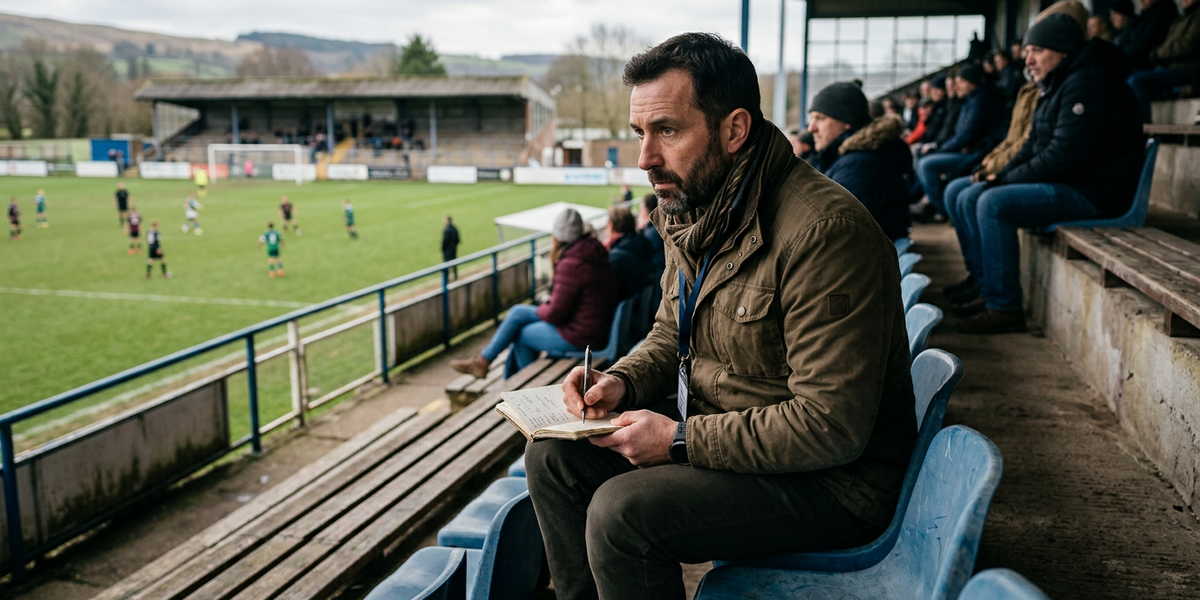
As a parent, your own body language on the sideline is a major factor in your child's mental state. Players often look to the sidelines after a mistake to see their parents reaction. If they see you looking frustrated or pacing nervously, it reinforces their anxiety. Practice keeping a calm, encouraging posture. Avoid shouting instructions or coaching from the side. Professional scouts often observe parents just as much as players, looking for signs of over involved or problematic behavior that might make a player less attractive to the academy's culture.
Managing the car ride talk before and after the session
The car ride is often where the most tension builds up for young athletes. On the way to the trial, keep conversations light and unrelated to football until you are about ten minutes away. Discussing the game too early can lead to mental fatigue. When you do talk about the upcoming session, keep it positive and focused on effort. Remind them that the goal is to enjoy the experience and learn from the high level coaches. Avoid putting pressure on the outcome or discussing the potential rewards of being signed, as this only adds to the performance anxiety.
The journey home is even more critical for the child's development and mental health. Let your child initiate the conversation about how they performed. If they are quiet, respect that space. If they want to talk, listen without offering technical corrections. You are their parent, not their coach. Your job is to be the safe harbor they return to regardless of the result. Focus on specific moments where they showed character, such as helping a teammate up or working hard to track back after losing the ball. This builds their confidence for future trials and reinforces that your support is unconditional.
Navigating interactions with scouts and academy staff
If a scout or coach approaches you during or after the session, your conduct is a reflection of your child's home support system. Professionalism is key. Be polite, concise, and honest about your child's playing history and current club status. This is the perfect time to have information ready, as scouts meet hundreds of families and often appreciate being able to quickly access a player's details online. Understanding how to make a football CV can be a massive benefit here, as you can provide a link or a QR code that gives them everything they need instantly.
Avoid the temptation to oversell your child or criticize their current club or coach. The football world is small, and negativity is a red flag for recruiters. If a scout gives you feedback that is hard to hear, take it on board with grace. They are experts who see thousands of players, and their insights can be the roadmap your child needs to reach the next level. If no scout approaches you, do not take it personally. Many clubs prefer to watch players multiple times before making initial contact, and the absence of immediate feedback does not necessarily mean failure.
The parents role in handling rejection professionally
Statistically, most players will face rejection at some point in their academy journey. How you handle this as a parent determines how your child bounces back. If the club decides not to progress with your child, frame the decision as a specific moment in time rather than a final judgment of their potential. Some players develop later than others, and a rejection from one club often opens the door to another. Use the information provided by the club to create a plan for the next few months, focusing on the areas of improvement they identified.
Encourage your child to stay active and return to their regular team with a positive attitude. It is vital that they do not view their grassroots or school team as a step down, but rather as the place where they continue to hone their craft. Rejection can be a powerful motivator if managed correctly. By showing that you are not disappointed in them, you give them the emotional freedom to keep trying. Remind them of famous players who were rejected by academies as youngsters, such as Harry Kane or Jamie Vardy, to show that the path to the top is rarely a straight line.
Financial and logistical considerations for elite trials
Travel and accommodation for trials can become a significant commitment for families, especially if the club is located in a different city or country. If your child is invited to a multi day trial, plan your logistics meticulously to minimize stress. Stay in a hotel close to the training ground to avoid long morning commutes. Ensure you have researched the local area for suitable restaurants that serve healthy meals. These small details provide a sense of stability for the player in an unfamiliar environment, allowing them to focus entirely on their performance on the pitch.
Be aware of the rules regarding expenses and trials in different jurisdictions. In the UK, FA rules govern how much a club can provide in terms of travel assistance for trialists. In the US, NCAA eligibility rules can be sensitive to certain types of financial support if the player intends to play college soccer later. Always keep receipts and maintain a clear log of trial invitations. This organization helps you stay within the regulations and ensures that your child's future opportunities remain protected while they pursue professional pathways this season.
Long term planning beyond the trial weekend
A single trial is just one data point in a long term development plan. Even if the trial leads to a contract offer, the work has only just begun. Academies are famously cut throat, and players are reviewed every season. As a parent, you should always be looking ahead. Continue to document your child's progress, film their matches when permitted, and keep their stats updated. This ensures that if they ever need to move clubs, you already have the evidence of their growth and ability ready to share with new scouts.
Maintaining a balance between football and academics is also a crucial part of parental support. The reality is that very few players make it to the professional level, and having a solid educational foundation is essential. Clubs actually prefer players who are academically disciplined, as it usually correlates with a high football IQ and the ability to take on complex tactical instructions. Support your child in managing their schoolwork alongside their trial schedule to ensure they are well rounded individuals who can succeed regardless of where their football journey leads.
Creating a professional digital presence for your child
In the modern era, scouts are increasingly using digital tools to filter and find talent before they even see a player in person. As a parent, you can significantly assist your child by maintaining a professional football profile for them. This profile should include their physical stats, playing history, key achievements, and a highlight reel of their best moments. Having this information ready to go allows you to respond quickly to open football trials or inquiries from recruitment staff who may have seen your child play in a tournament.
Think of this digital profile as a living document. Every time your child has a standout performance or reaches a new fitness milestone, it should be updated. It serves as a professional record that can be shared with coaches and agents globally. By handling this administrative side of the game, you free your child to focus on their training and matches. This collaborative approach ensures that when the next big opportunity arrives, your child is not just ready on the pitch, but also perfectly positioned off it to make the most of the professional scouting network.