
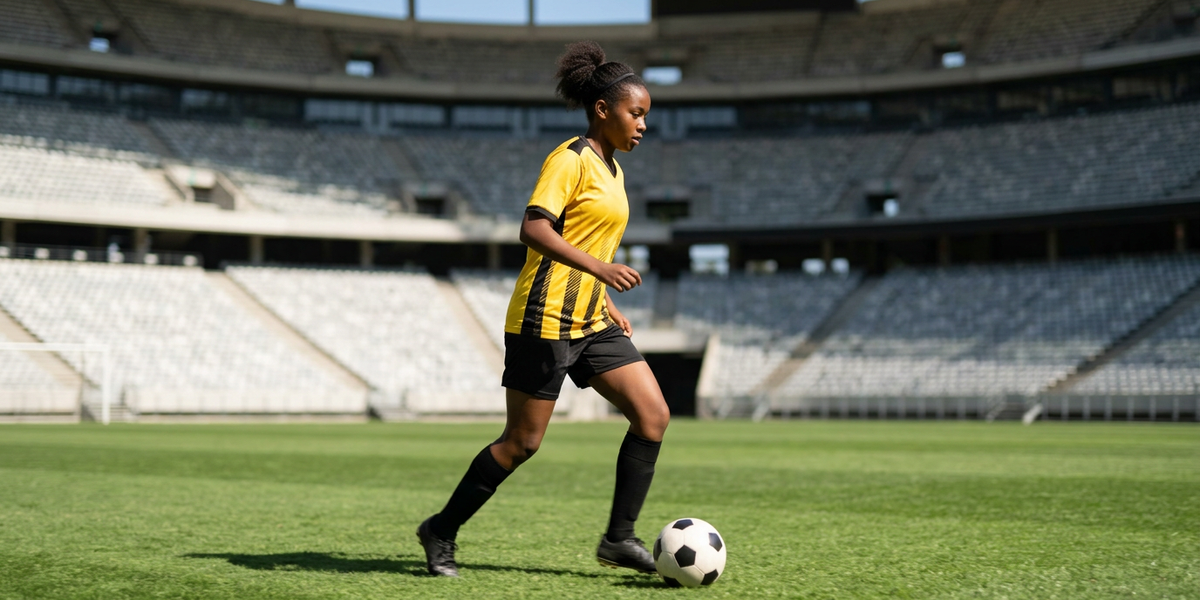
Mastering vocal leadership on the pitch this season
Knowing how to communicate with teammates during a football match is the fastest way to improve your performance and catch the eye of a scout. Effective communication involves giving short, loud, and clear instructions that help your teammates make better decisions under pressure. It is not about shouting for the sake of it, rather it is about providing essential information that your teammates cannot see. By becoming a vocal leader, you demonstrate a high level of tactical awareness and game intelligence which are traits every professional club looks for in a modern player.
Communication is the glue that holds a tactical system together. Whether you are playing in an ECNL match in the United States or a Category One academy game in England, the loudest and most organized teams often dominate the play. This guide will provide you with the specific phrases, body language, and mental habits needed to transform from a quiet player into a commanding leader on the pitch. Mastering these skills will give you a significant advantage during trials where coaches are looking for players who can organize others as well as perform their own roles.
Key takeaways
Use short and specific phrases like Time or Man on to provide instant information to your teammates. Goalkeepers and defenders must take charge of organizing the back line through constant verbal direction. Nonverbal signals such as pointing and body shape are just as important as vocal commands for silent coordination. Always keep feedback positive and forward looking to maintain team morale when things go wrong. Scouts value vocal players because leadership indicates high game intelligence and confidence under pressure.
Why is talking important in football for young players
Talking in football is important because it acts as an extra pair of eyes for your teammates. When a midfielder receives the ball with their back to play, they cannot see the defender sprinting toward them. A simple shout of Man on can prevent a turnover and a potential counter attack. For young players between the ages of 12 and 23, developing this habit early sets you apart from the majority of players who remain silent out of nerves or lack of focus. It shows that you are fully engaged in the match and thinking two steps ahead.
Scouts from top academies and professional clubs prioritize players who can communicate. When a recruiter watches a game, they are looking for more than just technical ability with the ball. They want to see who is organizing the press, who is encouraging their teammates after a mistake, and who is demanding high standards. A player who talks is a player who understands the game. This ability to lead indicates that you are ready for a higher level of competition where the speed of play requires instant verbal cues to maintain the team structure.
Beyond the tactical benefits, communication builds personal confidence. When you force yourself to be vocal, you stay more concentrated on the game. It is much harder to lose focus or become distracted when you are constantly scanning the pitch and directing others. This mental engagement is critical for maintaining high performance over 90 minutes. If you want to improve your mental game, you should also learn how to talk to teammates during a football match by practicing specific calls during every training session until they become second nature.
What are the best football communication phrases to use
To be an effective communicator, you must use phrases that are universally understood and quick to process. Long sentences are useless in the heat of a match. You need one or two word commands that trigger immediate action. For example, the phrase Time tells a player they have space to turn and look forward. Conversely, Man on warns them of immediate pressure. Using these consistently helps your teammates play with more composure because they trust you are watching their blind side.
Other essential phrases include: Squeeze: Telling the defense to push up the pitch and condense the space. Drop: Warning the back line to retreat quickly because of a long ball or a pacy attacker. Show him outside: Instructing a defender to force an attacker away from the goal toward the touchline. Switch: Directing the team to move the ball from one side of the pitch to the other quickly. Hold: Telling a player not to dive into a tackle but to maintain their position.
The key to these phrases is volume and timing. You must shout loud enough to be heard over the crowd and the wind. More importantly, you must give the instruction before the action happens. Telling someone Man on after they have already been tackled is not helpful. You must scan the field constantly so you can provide the information a split second before your teammate receives the ball. This proactive approach is what defines a true leader on the field and makes you a much more valuable asset to any coach.
How to talk to your defense as a goalkeeper for better organization
The goalkeeper has the best view of the entire pitch and therefore carries the biggest responsibility for communication. As a keeper, you are the director of the defensive unit. Your primary job is to ensure that every attacking player is accounted for and that your defenders are in the correct positions. This requires constant talking from the first minute to the last. You should be identifying runners, pointing out gaps in the line, and ensuring the wall is set correctly during free kicks.
When the ball is in the opposition half, you should still be talking to your center backs to ensure they are marking up for a potential counter attack. Use names whenever possible to make your instructions personal and impossible to ignore. For example, instead of saying somebody get him, say John, pick up the number nine. This directness prevents confusion and ensures that everyone knows their specific job. When a cross comes into the box, your shout for Away or Keeper must be loud and authoritative to prevent collisions between teammates.
Understanding the power of nonverbal communication in soccer
Not all communication is verbal. In a loud stadium or a high intensity match, nonverbal signals are often the most effective way to coordinate play. This includes hand gestures, eye contact, and your overall body posture. A simple point to where you want the ball played can be more effective than a shout. When you are making a run into space, using your arm to signal the exact spot where you want the pass allows the midfielder to play the ball with precision without alerting the defenders.
Body shape is another critical form of nonverbal communication. If you are a defender showing your chest toward the sideline, you are signaling to your teammates that you want to force the play in that direction. Eye contact with a teammate before a set piece or a throw in can communicate a planned move without a single word being spoken. Professional players spend years perfecting these subtle cues to stay one step ahead of the opposition. Paying attention to these details will make you a much more sophisticated player in the eyes of academy scouts.
How to give constructive feedback on the pitch without causing conflict
Leadership involves holding your teammates accountable, but it must be done in a way that helps the team win. Shouting at a teammate for making a mistake is usually counterproductive and can cause them to lose confidence. Instead, focus on constructive feedback. If a teammate misses a pass, a quick Next one or Keep going is far better than a negative comment. Save the detailed corrections for a break in play or halftime when emotions are lower.
When you do need to give tactical feedback, frame it as a collective goal rather than a personal failure. Instead of saying you are out of position, try saying we need to stay tighter in the middle. This makes the teammate feel like part of a solution rather than a problem. Being a vocal football player means being a motivator. The best captains are those who lift the energy of the group when things are difficult. If you can keep your teammates focused and positive during a tough game, you are demonstrating elite leadership qualities.
How to lead a team when you are losing or under pressure
Leading a team when you are losing is the ultimate test of your character. It is easy to be vocal when you are winning four zero, but true leaders emerge when the team is struggling. In these moments, your communication should focus on the basics. Remind your teammates to stay compact, to win their individual battles, and to keep the ball simple. Use your voice to prevent the team from panicking or losing their tactical discipline. High energy shouts like we go again after conceding a goal can help reset the team focus.
Scouts pay very close attention to how players react when their team is down. They want to see who keeps fighting and who keeps talking. If you go silent when you are losing, it suggests a lack of mental toughness. By staying vocal and encouraging your teammates even in a losing effort, you show that you have the temperament for professional football. This resilience is often more impressive to a recruiter than a fancy bit of skill in a game that was already won. Leadership is about consistency regardless of the scoreline.
Building the confidence to be a vocal football player during trials
Many young players are quiet during trials because they are nervous or do not want to seem arrogant in a new group. However, being quiet is a mistake. Coaches at trials are often looking for the loudest players because they know those individuals will be easier to integrate into a team. You do not need to be the best player on the pitch to be the best communicator. By organizing the players around you, you actually make yourself look better because you are involved in more phases of play.
To build this confidence, start small in training. Make it a goal to give at least five specific instructions per half. As you get more comfortable, increase the frequency and the authority of your voice. Remember that your teammates actually want you to talk to them. It makes their job easier. When they know you are looking out for them, they will trust you more with the ball. This cycle of trust and communication is what creates a high performing team environment. If you want to stand out, make sure your voice is heard from the moment the whistle blows.
A practical checklist for match day communication
To ensure you are communicating effectively this season, use this checklist during every match. Consistency is key to making leadership a natural part of your game.
| Phase of Play | Key Action | Specific Phrase | | | | | | Defending | Organize the line | Squeeze or Drop | | Midfield Transition | Alert player of pressure | Man on or Time | | Attacking | Direct the pass | Through or Wide | | Set Pieces | Assign markers | Mark up or Stay tight | | Transition | Prevent counter attack | Track the runner |
By following this structure, you ensure that your talk is always purposeful. Do not just shout for encouragement. While Come on boys is good for morale, tactical instructions like Shift left are what actually win football matches. Use the minutes before the game starts to discuss specific cues with your nearest teammates so everyone is on the same page.
Next steps for your football development
Improving your communication is a long term process that requires conscious effort every time you step on the pitch. It is one of the few skills that does not require world class athleticism or technical genius, only focus and bravery. As you become more vocal, you will find that your understanding of the game improves alongside your leadership. This growth should be documented as part of your playing history. Managers want to know if they are signing a leader who can impact the dressing room as well as the pitch.
Once you have started implementing these tips, the next step is to make sure scouts know about your leadership qualities. You should build a football CV that highlights your communication skills and any captaincy roles you have held. Leadership is a major selling point that can set you apart from other players with similar technical stats. Take control of your career today by being the loudest, most organized player on the field and ensuring your professional profile reflects your commitment to the game.