
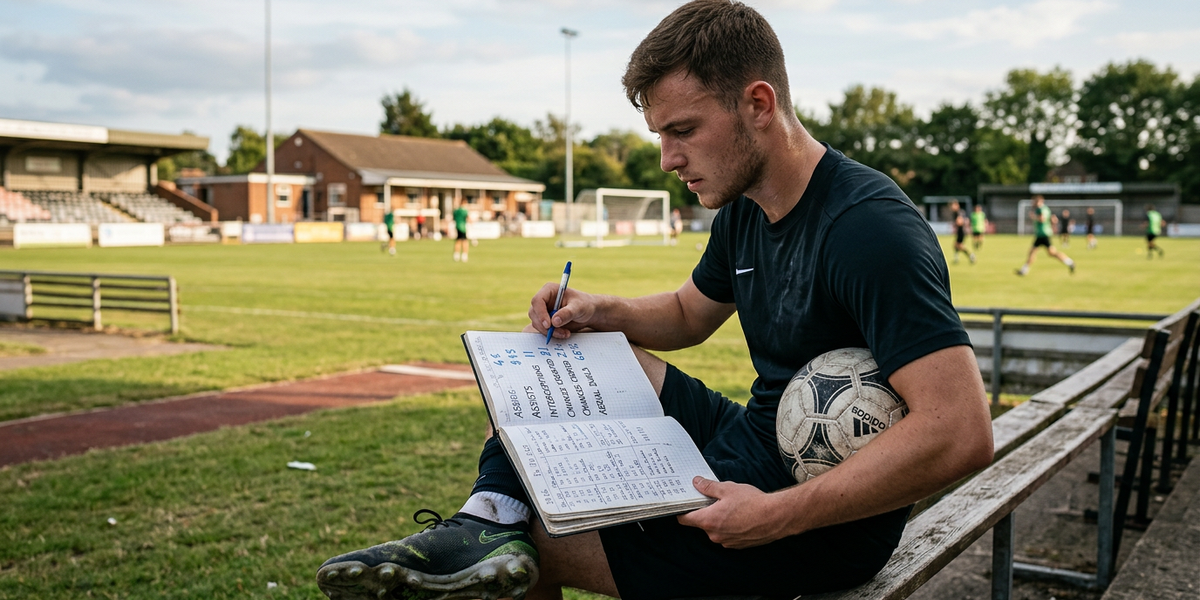
The Growing Impact of Data in Semi Professional Recruitment 2026
The recruitment landscape for semi professional football has shifted significantly as we move through 2026. Whether you are aiming for the National League system in the United Kingdom or the USL League Two in the United States, clubs are moving away from purely subjective scouting. Managers work with tight budgets and cannot afford to take risks on unknown players who only provide a highlight reel of their best moments. They need objective data to validate what they see on the pitch before offering a contract.
Including specific performance metrics on your CV gives you an immediate advantage over the hundreds of other applicants. It transforms your profile from a simple list of clubs into a professional scouting report that speaks the language of modern recruitment. When a coach sees that you have won seventy percent of your defensive duels over the last twelve matches, they see a reliable asset rather than a gamble. This level of detail shows that you are serious about your development and understand the demands of the modern game.
Semi pro scouts often handle dozens of emails every day, and they usually scan a CV for less than thirty seconds. Hard data acts as a hook that stops them from scrolling and forces them to look closer at your video footage. By providing numbers that reflect your physical and technical output, you provide a professional seal of approval. This makes it much easier for a head of recruitment to justify giving you a trial spot over a player with no statistical history.
Key takeaways
Use specific individual metrics like duel win rates and pass accuracy to provide scouts with factual evidence of your ability beyond simple goal tallies. Track your own data throughout this season by recording matches on a smartphone and tallying key actions to create a data backed performance history. Tailor your statistics to your specific position to ensure you are highlighting the technical triggers that scouts at the semi pro level prioritize. Maintain absolute honesty with your numbers because coaches will verify your statistical claims during live trial matches and training sessions.
Attacking Metrics That Prove Impact in the Final Third
For strikers and wingers, the scoreboard is important, but scouts are looking deeper into how you contribute to the overall team performance. In 2026, a winger who only scores but never assists or recovers the ball is often considered a luxury that semi pro teams cannot afford. You should track metrics like your shots on target percentage and your successful dribbles per ninety minutes. These figures show your efficiency and your ability to beat a defender in one on one situations.
Another vital metric for attacking players is the number of touches in the opposition penalty area. This tells a scout how often you are getting into dangerous positions, which is often a better indicator of future success than a single lucky goal. Showing that you consistently find space in the box proves your tactical intelligence and movement. This data helps recruiters understand the logic behind your goals and how you fit into their tactical setup.
Modern attacking play also requires defensive responsibility and high work rates. If you can show that you complete four or more ball recoveries in the final third per game, you will appeal to managers who utilize a high pressing system. Highlighting your key passes, which are passes that lead directly to a shot, proves your vision and creativity. These stats demonstrate that you are a well rounded threat who impacts the game even when you are not personally on the scoresheet.
Defensive Statistics for Proven Reliability and Dominance
Defenders often struggle to stand out on a CV because their best work involves stopping events from happening. To catch the eye of a scout at a club like South Shields or a USL academy, you must go beyond listing clean sheets. Focus on your individual duel win rates, specifically your aerial duels and ground tackles. A center back with a high aerial win percentage is an essential asset for semi pro teams that face many long balls and set pieces.
Interceptions per match is another crucial stat that shows your reading of the game and tactical intelligence. Rather than just crashing into players, scouts want to see that you can anticipate play and regain possession cleanly. When learning how to make a football CV, you should place these defensive win rates in a prominent position. This allows a recruiter to see your physical dominance before they even watch your defensive highlights.
For full backs, the data should reflect both defensive solidity and offensive contribution. Track your crossing accuracy and the frequency of your successful overlap runs. In the modern game, full backs are expected to be the primary source of width, so showing that you can deliver quality into the box after a seventy yard sprint is a major selling point. Include your recovery pace stats if you have access to a GPS tracker to prove you can handle fast transitions against quick wingers.
Midfield Metrics for Controlling Tempo and Ball Progression
Midfielders are the heartbeat of the team, and your stats should reflect your ability to manage the game under pressure. Scouts are looking for players who can progress the ball forward rather than just playing safe lateral passes. Track your forward pass accuracy and your number of progressive carries of ten yards or more. These metrics prove that you have the composure and skill to break defensive lines and move your team into the attacking third.
For defensive midfielders, your value lies in protection and ball recovery. Focus on your tackle success rate and your ability to win second balls in the middle third. A high volume of ball recoveries suggests that you have excellent positioning and work rate. If you can prove that you rarely lose the ball in high pressure areas, you will be seen as a low risk, high reward signing for any manager looking to stabilize their spine.
Attacking midfielders should prioritize chances created and vision based data. Detail how many through balls you successfully complete per match and your pass completion rate in the final third. This data helps a scout understand if you are a playmaker who can unlock a stubborn defense or a box to box runner who adds energy to the formation. Providing this clarity ensures your CV reflects your specific style of play and helps clubs find the right fit for their system.
Manual Tracking Methods Without Expensive GPS or Veo Systems
You do not need a multi thousand dollar camera system or professional GPS vests to collect meaningful data this season. The most practical way for grassroots and semi pro players to track stats is by using a smartphone on a tripod. Set up the camera at a high vantage point, such as the top of a grandstand or a high fence, to capture the full width of the pitch. Watching your footage back allows you to timestamp every action and create an accurate tally of your performance.
Ask a parent or a teammate to assist by using a simple tally sheet during the match. They can mark down successful and unsuccessful actions such as headers won, passes completed, and tackles made. By dividing the successful actions by the total number of attempts, you can calculate your percentages. This raw data is highly respected by scouts because it shows a level of self analysis and dedication that most young players lack.
Consistency is the most important factor when presenting your data to potential clubs. One good game does not tell a scout much, but a data set spanning ten matches provides a reliable trend of your actual ability. It is also important to maintain your physical condition to keep these numbers high throughout a full ninety minute match. High physical output over a sustained period proves that your technical stats are supported by elite level fitness levels.
Evaluating Data Honesty and Managing Scout Expectations
Honesty is non negotiable when you are putting data on your football CV. Semi professional coaches and scouts have spent years watching players and can immediately tell if your stats are exaggerated. If you claim to have a ninety five percent pass accuracy but miss three simple five yard passes in the first ten minutes of a trial, your credibility is destroyed. It is much better to have realistic, solid numbers than fake elite level statistics that you cannot replicate on the pitch.
Data should be used to support your video highlights, not replace them. If you list a high number of successful dribbles, your highlight reel should show those specific moments clearly. This synergy between data and video provides a complete picture of your player profile. Scouts use data to filter players, but they use video and live trials to make the final decision on whether to offer a contract or a scholarship.
If your stats are not as high as you want them to be, use that information to fuel your individual training. Seeing a low cross completion rate on your tracking sheet is a signal to spend more time on your technique after team practice. This mindset of using data for self improvement is exactly what professional and semi pro clubs look for. They want players who are coachable and willing to use objective feedback to improve their game.
The Difference Between UK Non League and US College Metrics
The metrics that matter can vary slightly depending on your target market. In the UK non league system, physical dominance and duel win rates are often prioritized due to the high intensity and physical style of play in the lower divisions. Scouts want to see that you can survive the physical demands of a cold Tuesday night away game against veteran players. Focusing on your defensive work rate and aerial ability is key for these clubs.
In contrast, if you are looking at the US college system or USL pathways, there is often a heavier focus on athletic testing and technical efficiency. Metrics like your 40 yard sprint time and your vertical jump are highly valued by college coaches who prioritize athleticism. Understanding these regional differences allows you to highlight the specific numbers that will get you noticed in different parts of the world.
Regardless of where you are playing, your CV must clearly state the level of competition where the stats were recorded. A seventy percent win rate in a top tier youth academy is viewed differently than the same stat in a local Sunday league. Always provide context so the scout can accurately judge the weight of your numbers against the level of opposition you faced. This transparency builds trust with the recruiter from the very first interaction.
Presenting Your Performance Profile on FootballersCV
Once you have your data and your video highlights, you need a professional way to present them. A disorganized email with ten different attachments will likely be ignored by a busy manager or head of recruitment. Using a professional digital profile allows you to host your stats, video links, and playing history in one clean URL. This makes the scout’s job easier and significantly increases the chances of you getting a serious look.
When you build a football CV with us, our platform is designed to highlight these key performance indicators at a glance. You can list your top metrics, such as goals per game or tackle success rate, right at the top of your profile. This ensures that the most impressive part of your game is the first thing a recruiter sees when they open your page. It replaces the old fashioned paper resume with a dynamic, living document of your career.
In 2026, the players who move up the ladder are the ones who treat their career like a professional business. By documenting your journey with data, you are providing undeniable proof of your value to a team. Start tracking your metrics this weekend, record your matches, and keep your profile updated. The more evidence you provide, the shorter the distance between you and your next semi professional contract invitation.
Take Control of Your Football Career Today
The journey to a semi professional or professional contract begins with taking your recruitment into your own hands. Stop waiting for a scout to find you by accident in a local park and start giving them a factual reason to come and watch you play. Data is the language of modern football recruitment, and those who speak it fluently will always have more opportunities than those who rely on luck.
Creating a professional player profile is the first step toward getting noticed by clubs and academies worldwide. FootballersCV provides you with the platform to showcase your stats, your highlights, and your professional potential to a global network of scouts. Do not let another season pass without documenting your progress and proving your worth on the pitch to the people who make the signing decisions.
Join the global community of ambitious players who are using data and professional presentation to reach the next level. Create your free professional player profile at https://footballerscv.com and start building your football CV today. Your next trial invitation is only a well structured and data backed profile away.
Frequently asked questions
Which statistics do semi professional scouts value the most?
While goals and assists are important for attackers, scouts at the semi pro level prioritize duel win rates, recovery counts, and progressive pass accuracy. These numbers prove you can handle the physical and technical intensity of leagues like the National League or USL League Two.
How can I track my football stats without expensive GPS or cameras?
You can track stats manually by recording your games on a smartphone. Place the camera at a high vantage point and watch the footage back to tally actions like headers won, tackles made, and successful crosses. Consistent tracking over five to ten matches provides a reliable data set for scouts.
Is including data on a football CV really necessary for semi pro levels?
In 2026, data is a massive differentiator. Most players only send a list of clubs, but providing a data backed CV proves you have a professional mindset. It reduces the risk for a manager and gives them a factual reason to offer you a trial.
What specific stats should a winger include on their CV?
Wingers should focus on successful dribbles, touches in the opposition box, and crossing accuracy. Additionally, tracking ball recoveries in the final third is crucial because modern managers value players who contribute to a high pressing system.
Should I be worried if my stats are lower than professional averages?
Honesty is vital. Semi pro coaches will notice within ten minutes of a trial if your claimed stats do not match your real world ability. It is better to show realistic, solid metrics than to risk your reputation with exaggerated numbers.