
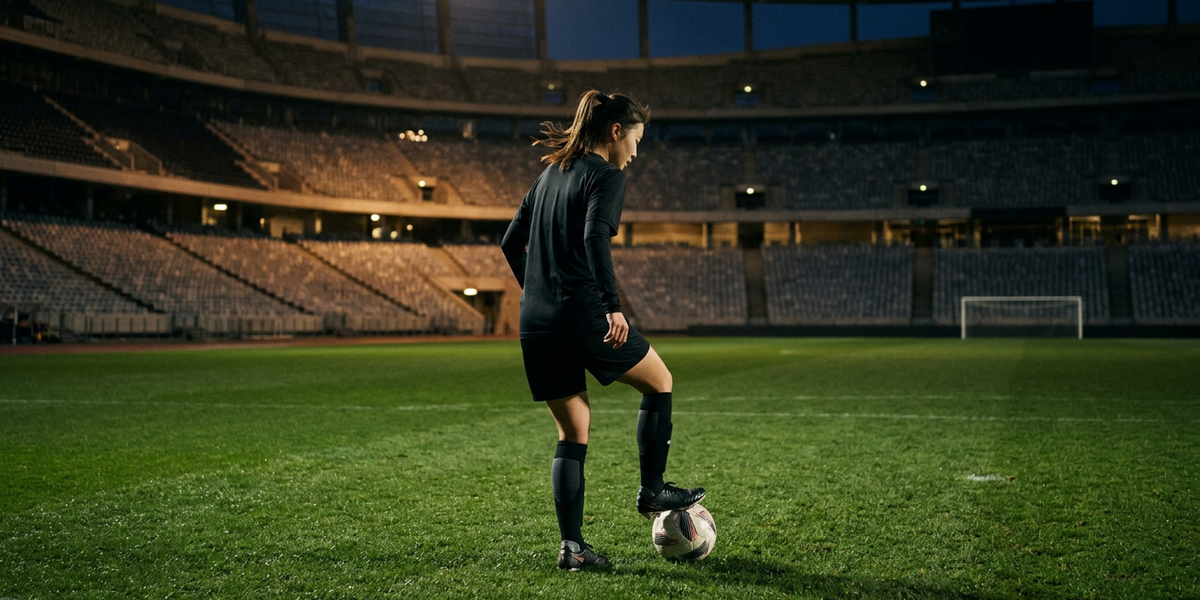
After a match, most players fall into one of two camps: starving, or unable to face food at all. Both are normal. The aim afterwards is straightforward, which is to get back to eating and drinking normally, not to follow a rigid protocol.
Key takeaways
Ordinary balanced meals cover most of what recovery needs. Appetite, travel time and kick off time matter more than any fixed window. A snack now and a proper meal later is a perfectly good approach. Supplements are not needed for youth football, and we do not recommend them. Persistent fatigue, weight loss or ongoing stomach problems are reasons to see a GP.
Do not overthink the timing
You will read a lot about a narrow window after exercise. In practice, for a player with a normal weekly schedule, what you eat across the whole day and week matters far more than the exact minute you eat it. If your next match or session is days away, there is no urgency at all.
Timing becomes more relevant when the turnaround is short, for example a tournament with two matches in one day. That situation is covered separately in our guide to recovering between football matches.
What a sensible post match meal looks like
Think ordinary food. A balanced meal with a starchy carbohydrate, a protein source, some vegetables and a drink covers it. Pasta with chicken and sauce, rice with fish and veg, a jacket potato with beans, a chicken wrap, or a curry with rice all do the job. The NHS Eatwell Guide is a better reference here than anything specific to football.
If you are travelling home and cannot eat a meal for a while, a snack in the meantime helps. A sandwich, some fruit, yoghurt or a milk based drink are easy to carry and easy to eat in a car.
When you are not hungry
Appetite is often suppressed straight after hard exercise, especially in heat. Forcing a large meal down rarely goes well. It is usually easier to start with fluids and something small, then eat properly once you have cooled down and settled.
Drinks that contain some energy, such as milk or a smoothie, can be easier to manage than solid food when appetite is low. There is no need to buy specialist recovery products for this.
Fluids after the match
Replace fluid gradually over the hours after a match rather than drinking a very large amount at once. Both dehydration and excessive fluid intake can cause problems, so steady is better than dramatic. Our hydration guide for footballers explains how to judge this, and the match day hydration guide covers the game itself.
Food is one part of recovery
Eating well will not offset poor sleep or an unmanageable fixture load. Sleep does more for how you feel the next day than any meal, and our guide on how much sleep footballers need is worth reading alongside this.
For the wider picture across the days after a hard game, including soreness, symptoms to watch for and easing back into training, see our first 48 hours after a match checklist. This article deliberately sticks to food.
No food prevents soreness or injury
Muscle soreness after a demanding match is common and usually settles within a few days. No meal, drink or supplement reliably prevents it, and anyone promising that is overselling. What food can do is help you feel less depleted and support normal recovery.
Pain that is sharp, localised, getting worse, or accompanied by swelling, inability to weight bear, or any head injury symptoms is a medical matter and should be assessed promptly, not managed with nutrition.
Allergies, conditions and when to ask a professional
Check ingredients if you have a food allergy, and carry any prescribed emergency medication. If you have diabetes, follow the plan agreed with your diabetes team, since exercise affects blood glucose individually.
Speak to a GP or ask for a referral to a registered dietitian if there is unexplained fatigue, unintentional weight loss, persistent stomach symptoms, a restricted diet, or any difficulty or distress around eating. For players under 18, a parent or guardian should be part of these conversations. We do not give individual carbohydrate, protein or fluid targets, because those need to be set by a qualified professional who knows the player.
Sources and further reading
- NHS: The Eatwell Guide
- NHS: Healthy eating for teens
- NHS: Water, drinks and your health
- IOC consensus statement: dietary supplements and the high performance athlete
- 2023 IOC consensus statement on Relative Energy Deficiency in Sport
This article is general information for players and parents. It is not medical or individual dietary advice. Speak to a GP or a registered dietitian about your own situation.
Put your season in front of the right people
Recovering well is what lets you play consistently, and consistency is what scouts notice. When you are ready to show it, learn how to make a football CV and keep your record in one place.